The construction industry stands at a crossroads where environmental responsibility meets aesthetic ambition. As architects and homeowners seek materials that honor both design vision and ecological accountability, a significant shift is underway. Natural stone, long revered for its timeless beauty, carries environmental costs that conscious builders can no longer ignore—from quarry disruption to transportation emissions. Enter stone-like tiles: porcelain innovations that replicate nature's artistry while delivering superior performance and sustainability credentials. These remarkable surfaces prove that choosing eco-friendly materials no longer means compromising on the sophisticated aesthetics that define premium spaces.
The Reality of Material in Modern Construction
The building industry consumes significant natural resources and energy. From quarrying stone to firing ceramic materials, nearly every construction product carries some level of environmental impact. It is important to acknowledge that porcelain tile manufacturing involves high temperature kiln firing, raw material processing, and industrial production methods that generate emissions and require energy.
At the same time, natural stone extraction disrupts landscapes, requires heavy machinery, and involves transportation from limited quarry locations. Both materials involve industrial processes, but they differ in lifecycle performance and application efficiency.
Porcelain tiles are made from natural raw materials such as clay, feldspar, and silica. These materials are processed, shaped, and fired at very high temperatures to achieve strength and density. While the firing stage consumes energy, the result is a highly durable product that resists wear, moisture, staining, and structural damage. Because of this durability, porcelain stone tiles often require less replacement over time, which can reduce long term material consumption in many applications.
Some manufacturers have introduced improved production technologies, water recycling systems, and energy efficient kilns to reduce operational impact. However, tile production remains an industrial activity, and sustainability claims must be viewed within this broader context of responsible manufacturing improvements rather than zero impact processes.
Manufacturing Realism: Where Technology Meets Performance
The transformation of porcelain tiles from purely functional surfaces to realistic stone alternatives reflects major technological advancement. Digital printing technology enables manufacturers to reproduce the intricate details of natural stone, including veining, tonal variation, and surface movement.
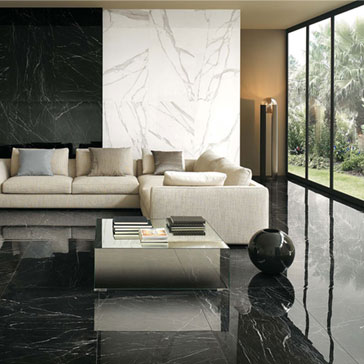
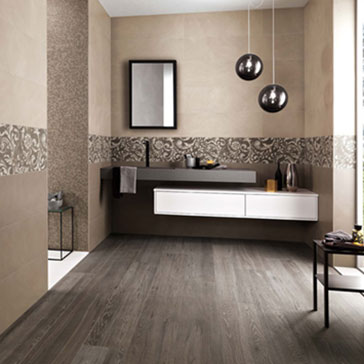
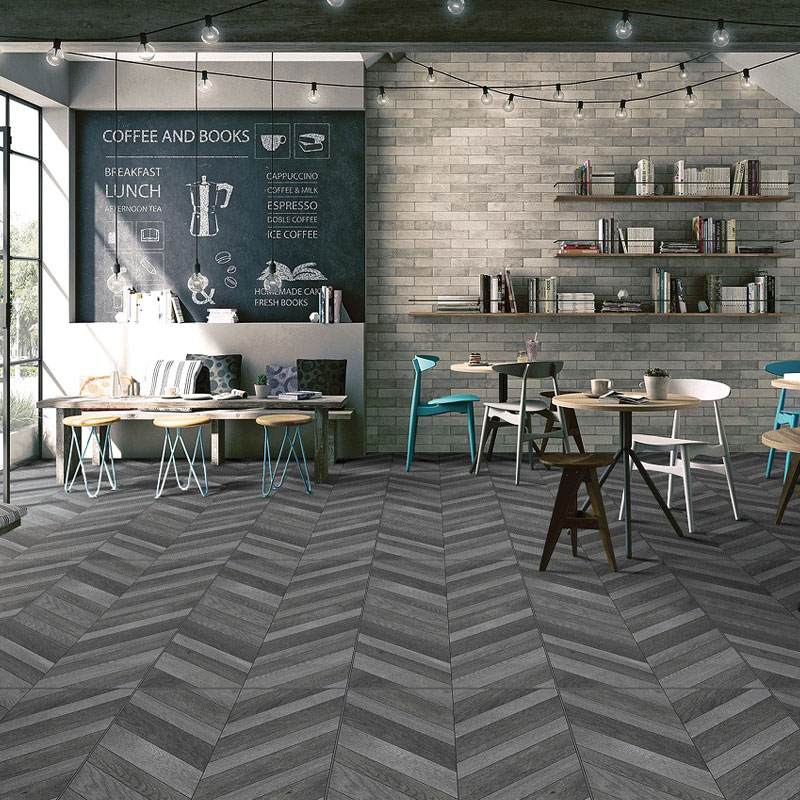
High-definition printing techniques create non repetitive patterns, reducing the artificial appearance once associated with imitation materials. Modern glazed porcelain tiles use layered surface treatments to achieve depth, texture, and light interaction similar to marble, limestone, or slate.
Gloss finishes can replicate the refined look of polished marble, while matte textures provide the natural softness associated with stone surfaces. These innovations allow porcelain stone tiles to deliver aesthetic authenticity while maintaining structural consistency and performance strength.
Gloss finishes can replicate the refined look of polished marble, while matte textures provide the natural softness associated with stone surfaces. These innovations allow porcelain stone tiles to deliver aesthetic authenticity while maintaining structural consistency and performance strength.
Embracing the Future of Sustainable Design
Stone look tiles represent a balance between design ambition and practical construction needs. They are not impact free materials, and their manufacturing requires significant energy. However, their durability, long lifespan, and low maintenance characteristics make them a viable alternative to natural stone in many residential and commercial spaces.
Choosing materials today involves evaluating the full lifecycle of a product rather than focusing solely on its origin. Porcelain stone tiles offer aesthetic flexibility, structural strength, and predictable performance that support modern construction standards.
As design expectations continue to rise, materials that combine realism, durability, and improved manufacturing efficiency will play an important role in shaping the future of interior and architectural spaces.